
Projects
Our research spans these areas:
Chronic illness and pain conditions
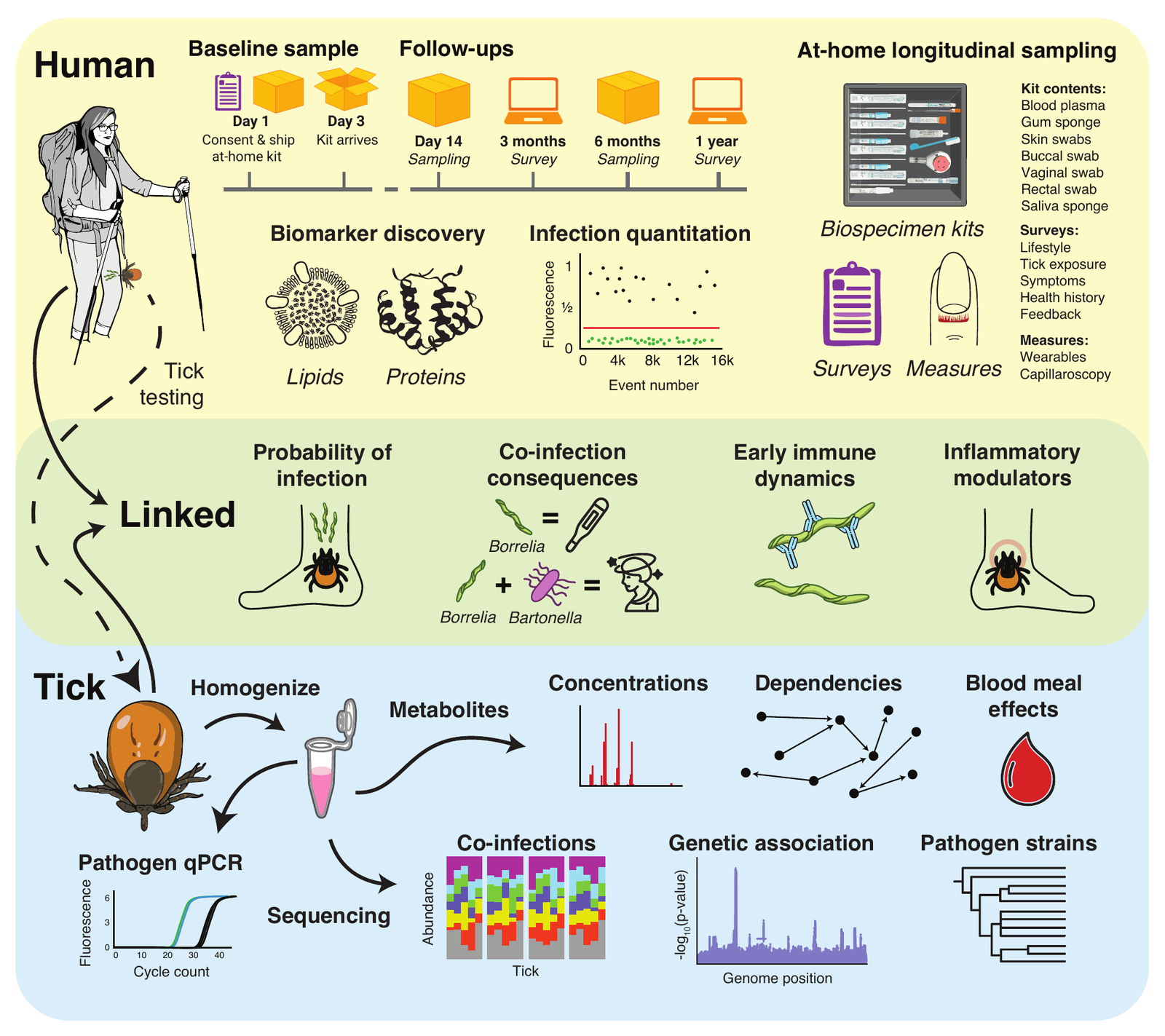
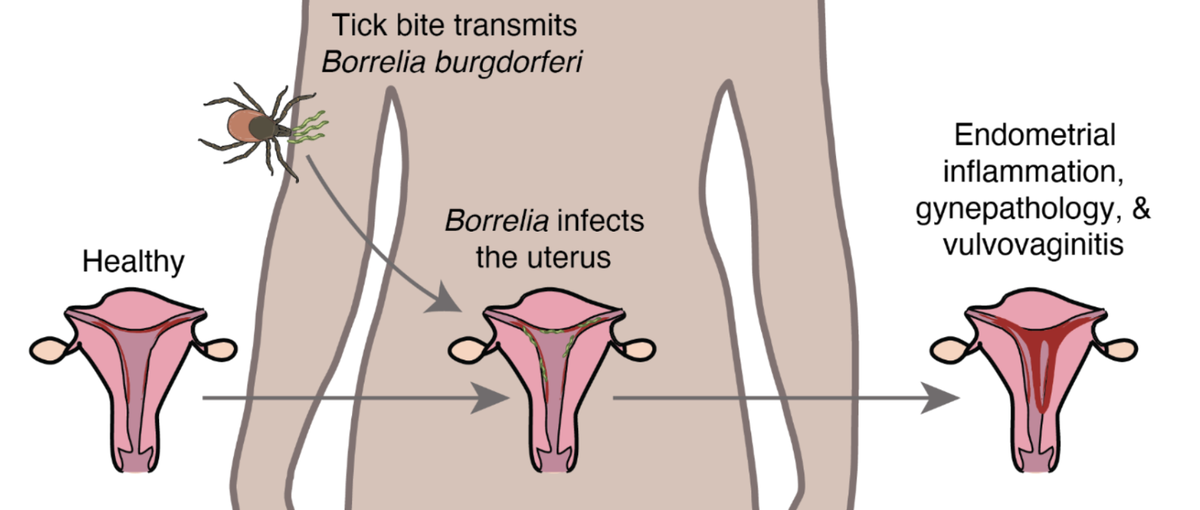
Lyme disease is the most common vector-borne illness in the United States and is rapidly growing in both incidence and range. We study the causes, consequences, and treatments for Lyme disease and other chronic illnesses, including fibromyalgia, ME/CFS and long COVID, as well as tick-borne diseases of both humans and livestock.
CARE for Lyme is our remote sampling and biospecimen collection study. Participants receive at-home kits and surveys over a year, and we test the ticks that bit them, linking infection in the tick to biomarkers and outcomes in the person.
Genetics and gene-environment interactions of biomarkers
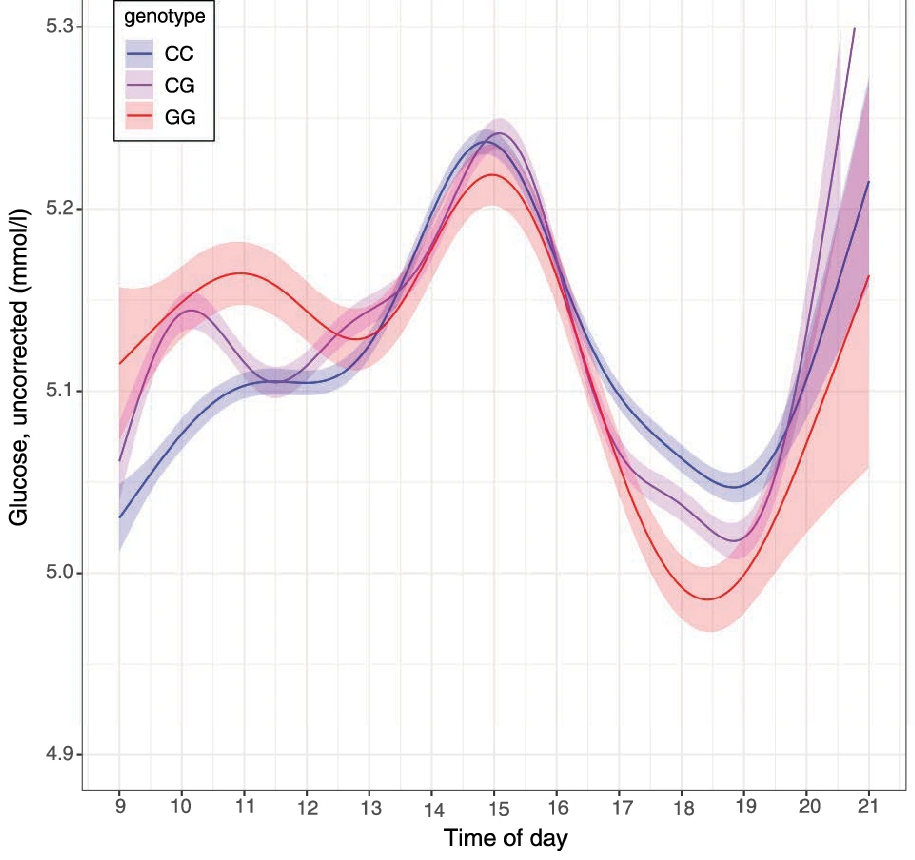
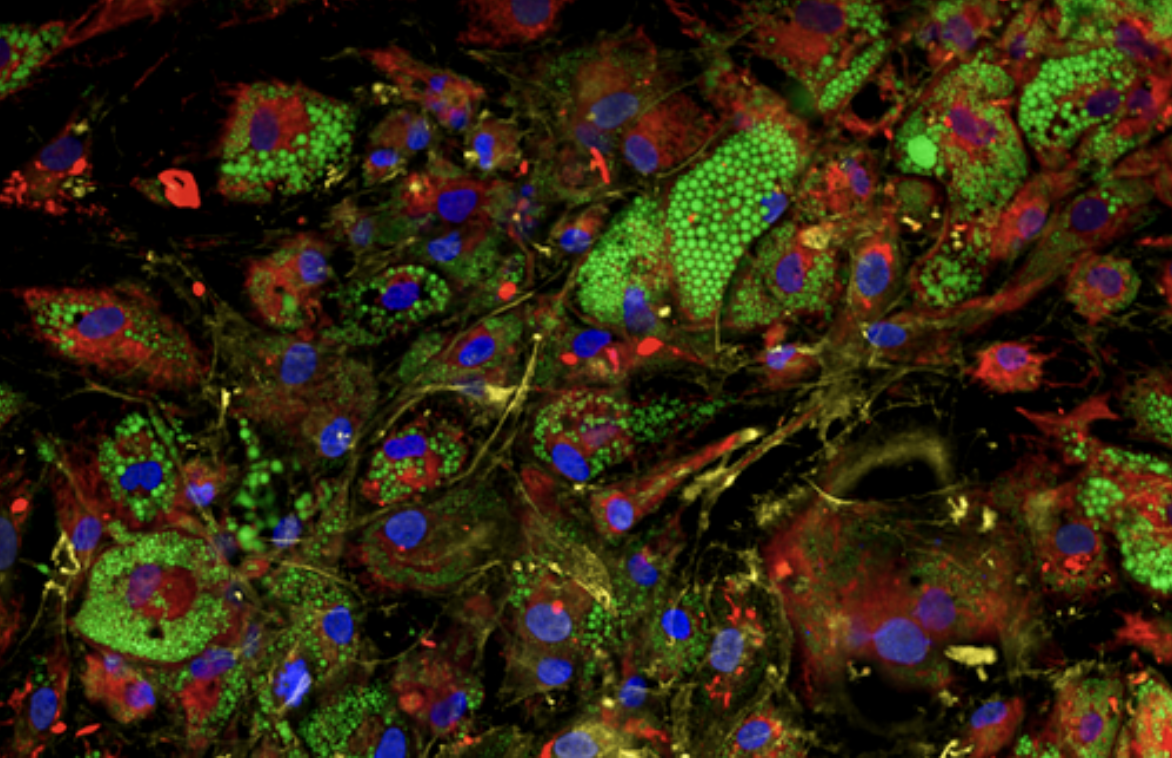
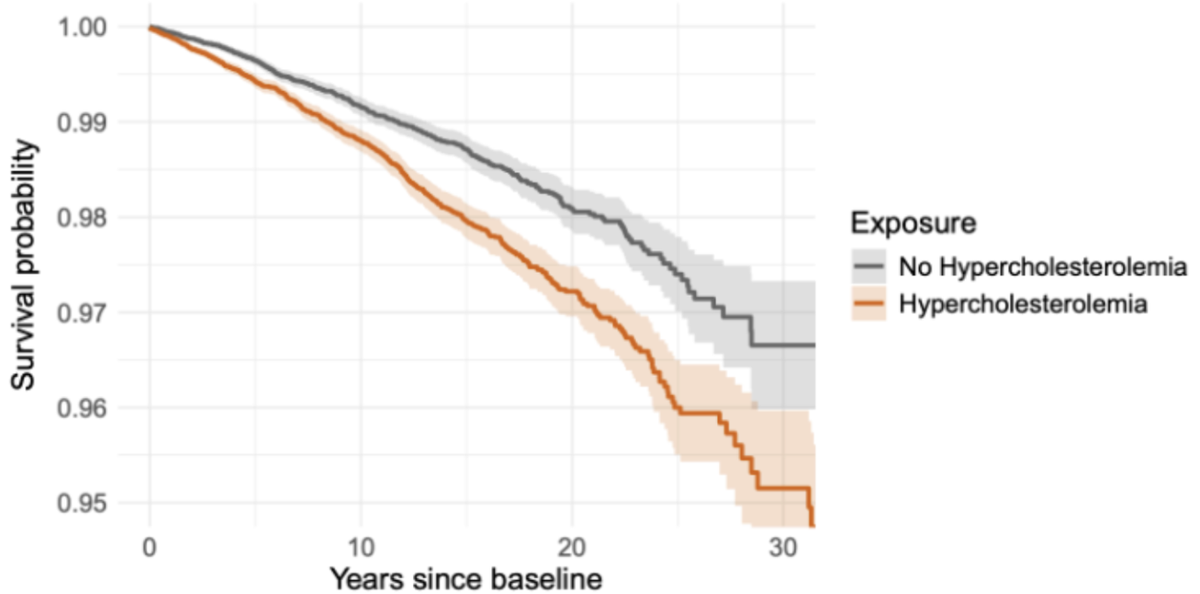
Biomarker levels vary widely throughout the day and year, but these are rarely accounted for in clinical or research models of disease. We are developing approaches to do so, with a particular focus on cholesterol and related steroid hormones.
Open lab automation
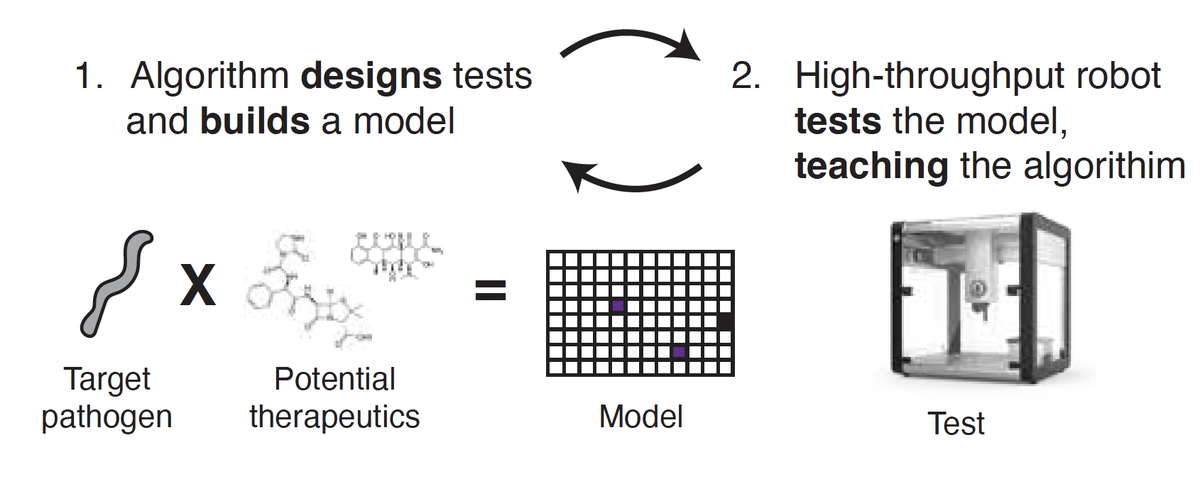
The open hardware ecosystem for laboratory automation has a number of individual successful tools, but little integration. We’re developing the hardware and software to integrate these, including OLIVE (Online Learning of In Vitro Experiments), our system for automated high throughput experimentation.
Biomedical metascience
Artificial intelligence is rapidly becoming a medical diagnostic aid, despite bias, privacy, and other concerns. We study these and develop methods to incorporate medical and community feedback into AI systems. We also design systems to help us understand and address ethical and methodological shortcomings of the field more broadly.
Art projects

Current projects

Lil Lab Network
We envision a world where communities are empowered to steward knowledge, resources, and relationships towards local solutions.

GLAM Consortium
Understanding the population genetics of clinical labs and their medication response.

Genetic Epidemiology of ME/CFS (GEM) Consortium
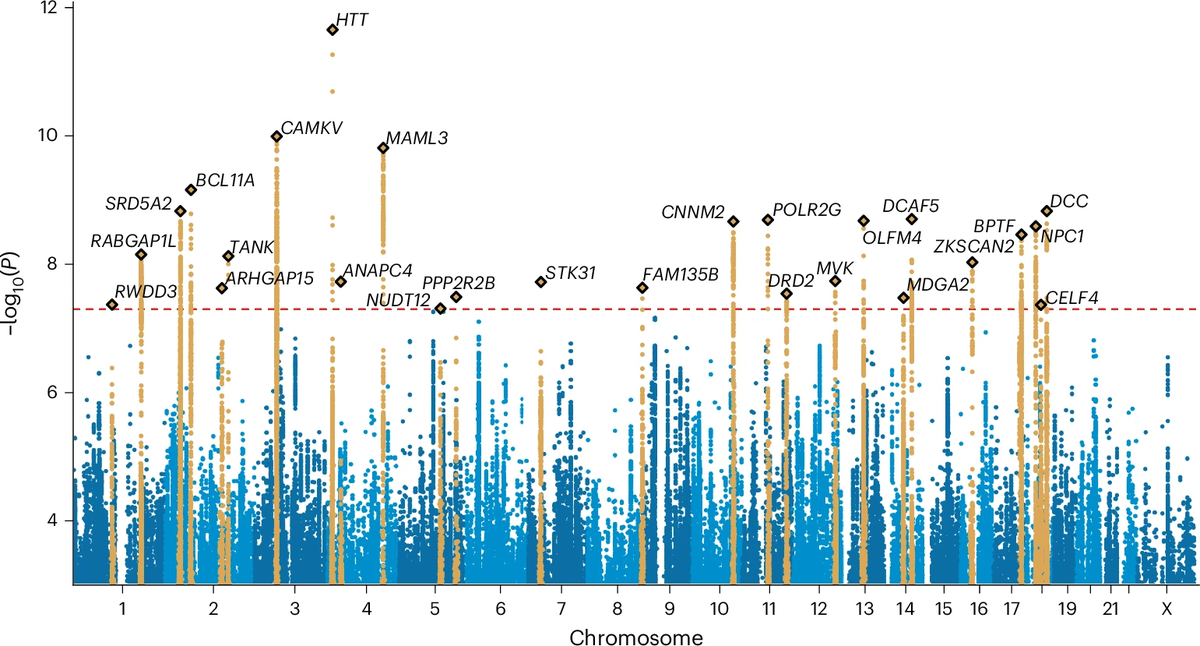
The GEM Consortium is focused on developing and interpreting genetic, genomic, and epidemiological association studies for ME/CFS and related conditions.

Chronic Pain Genomics Consortium
Unraveling the genetic and molecular basis of chronic pain conditions