We model gene-environment interactions at scale.

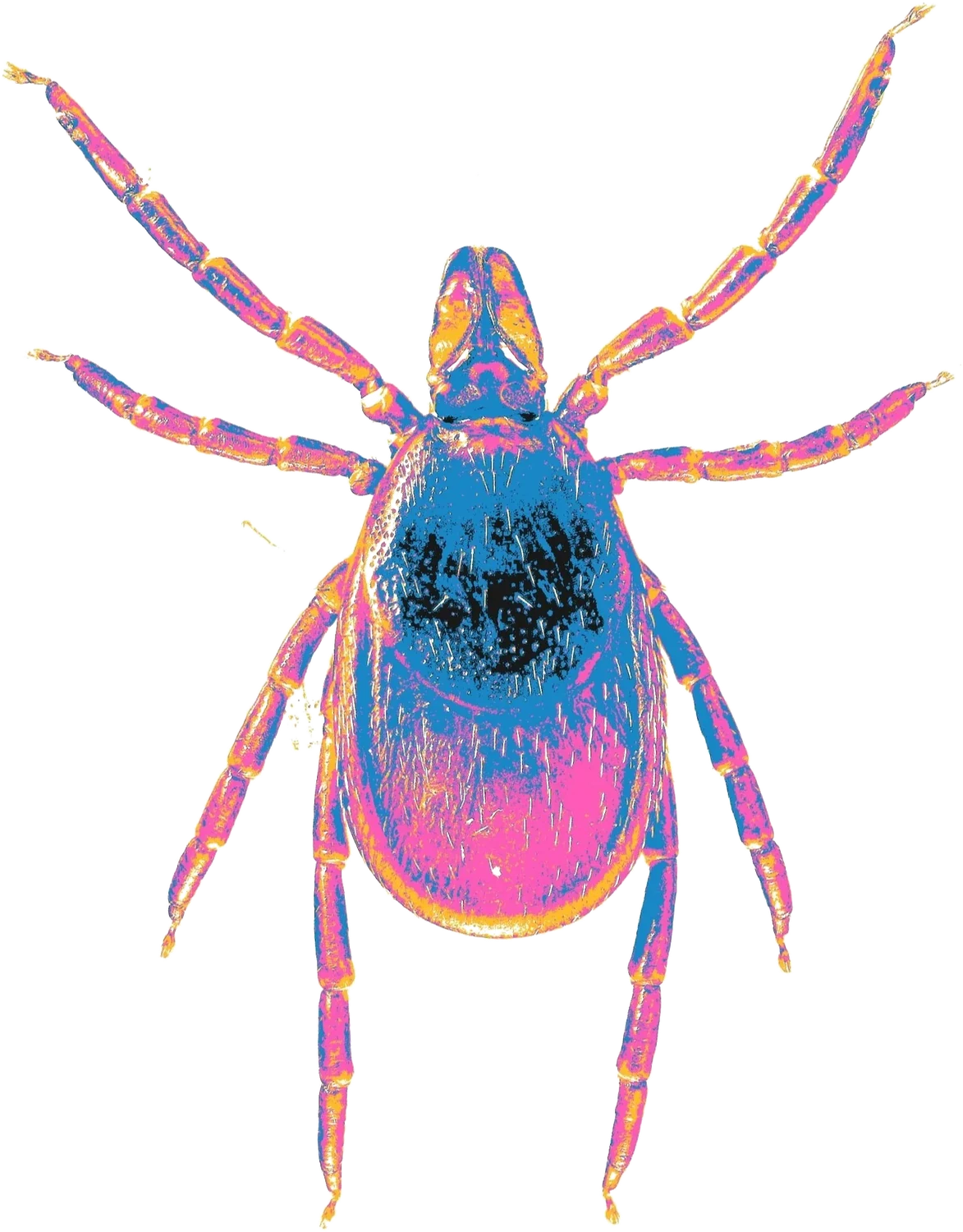
Stylized image a black-legged tick, Ixodes scapularis
Ixodes scapularis, the black-legged tick, from our Lyme disease work

Our lab develops computational and experimental methods to study gene-environment interactions. As models for this work, we primarily study clinical laboratory tests and understudied chronic pain diseases and conditions.

What we're working on

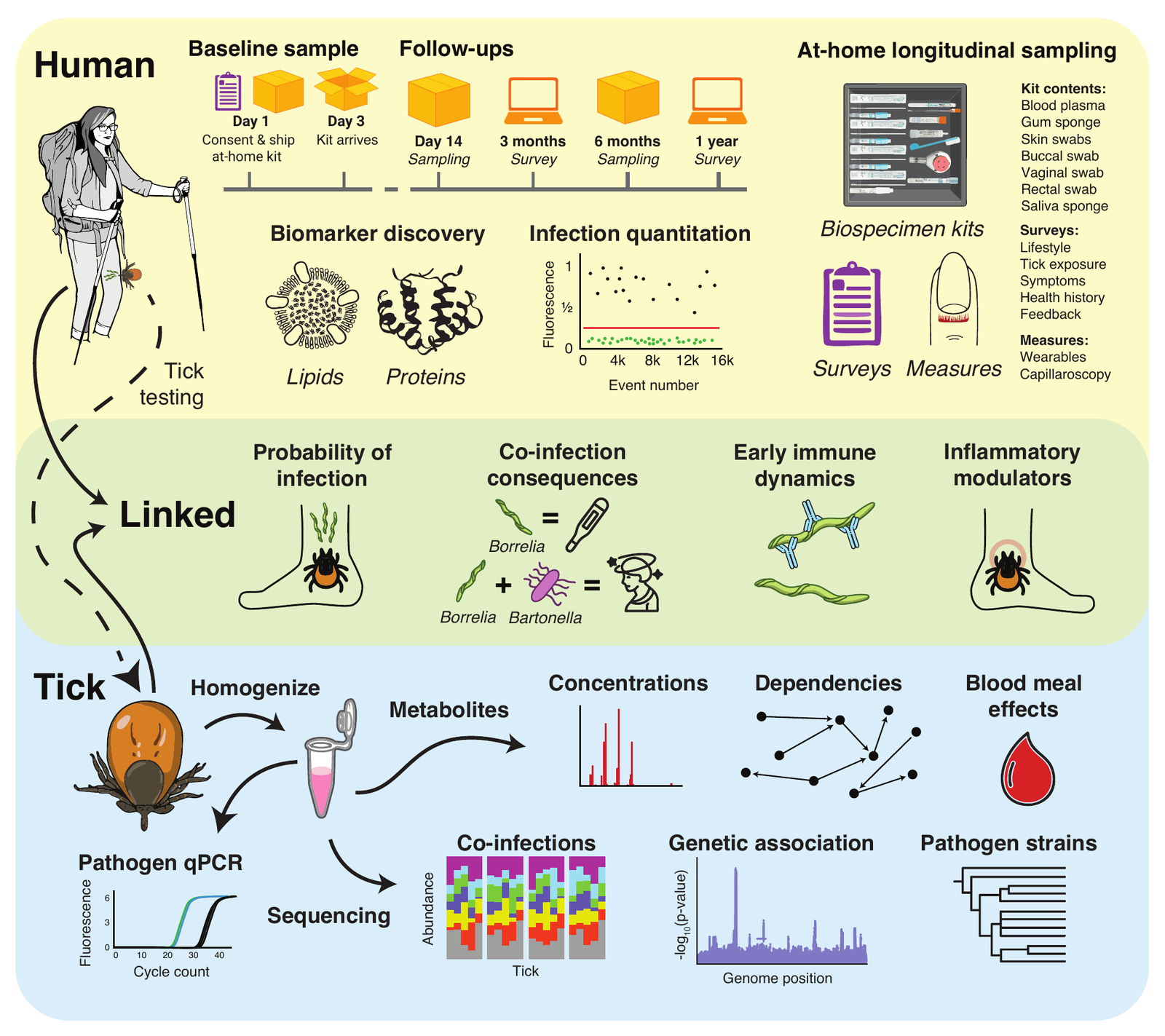
CARE for Lyme links at-home biospecimen kits and surveys to the genetics of ticks that bit each participant.

Chronic pain and illness

Lyme disease is the most common vector-borne illness in the US. We study the causes, consequences and treatments of tick-borne and chronic illnesses, from Lyme disease to fibromyalgia, chronic low back pain, ME/CFS, and long COVID.
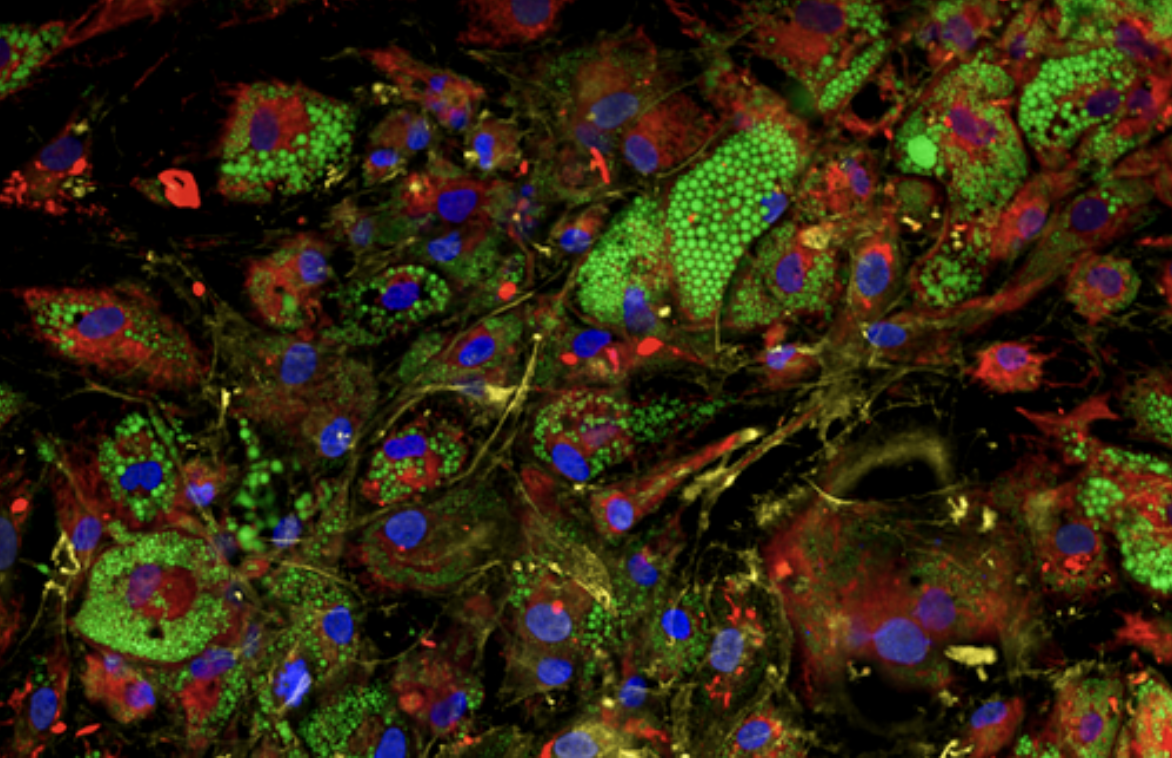
Images from our study of a non-coding variant near COBLL1 that alters actin remodelling in adipocytes.

Gene-environment interactions of clinical labs

Lab test results change through the day and the year, but are rarely tracked. We combine genetics with _in vitro_ models to learn how genetics and environment jointly shape clinical labs.

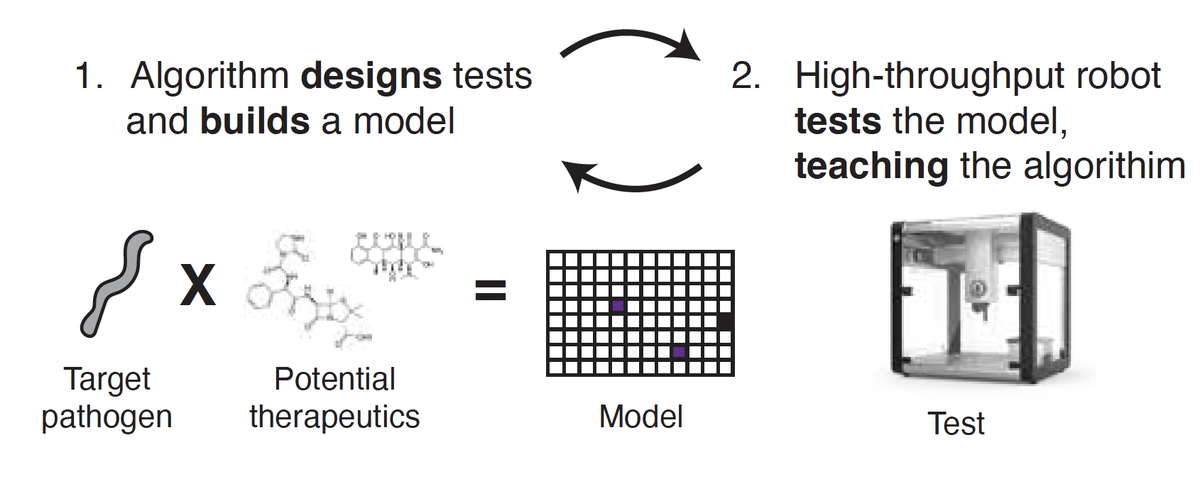
Our automated system for combination antibiotic therapies.

Open lab automation

We're building a completely open hardware system for automated biology. This enables us to redesign experiments for unprecendented scale.


Art in our research

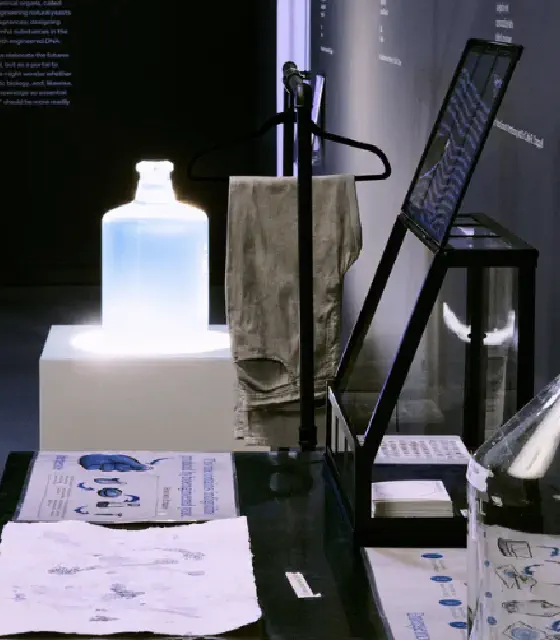
We develop projects that blend art and science, opening doors to new types of discovery.

Want to join us?

We're building partnerships across myriad stakeholders to create lasting change.

Collaborate